

You are shaping an early SaaS product.
Turn the product idea into one complete user journey and a first release the team can learn from.
We design and build custom applications, practical AI, and developer tools for workflows that off-the-shelf software cannot support.
Product engineering · Systems thinking · Careful delivery
Turn the product idea into one complete user journey and a first release the team can learn from.
Make the handoffs, records, and exceptions easier to follow with a focused internal system or integration.
Give developers or model-assisted processes clearer contracts, useful feedback, and safer failure paths.
Purpose-built applications for a problem off-the-shelf tools cannot solve.
From early product shape through the first reliable release and beyond.
Useful model-powered features with controlled inputs, tools, and failure paths.
Interfaces, APIs, and utilities that make technical work easier to understand and repeat.
Replace brittle handoffs with observable, recoverable software workflows.
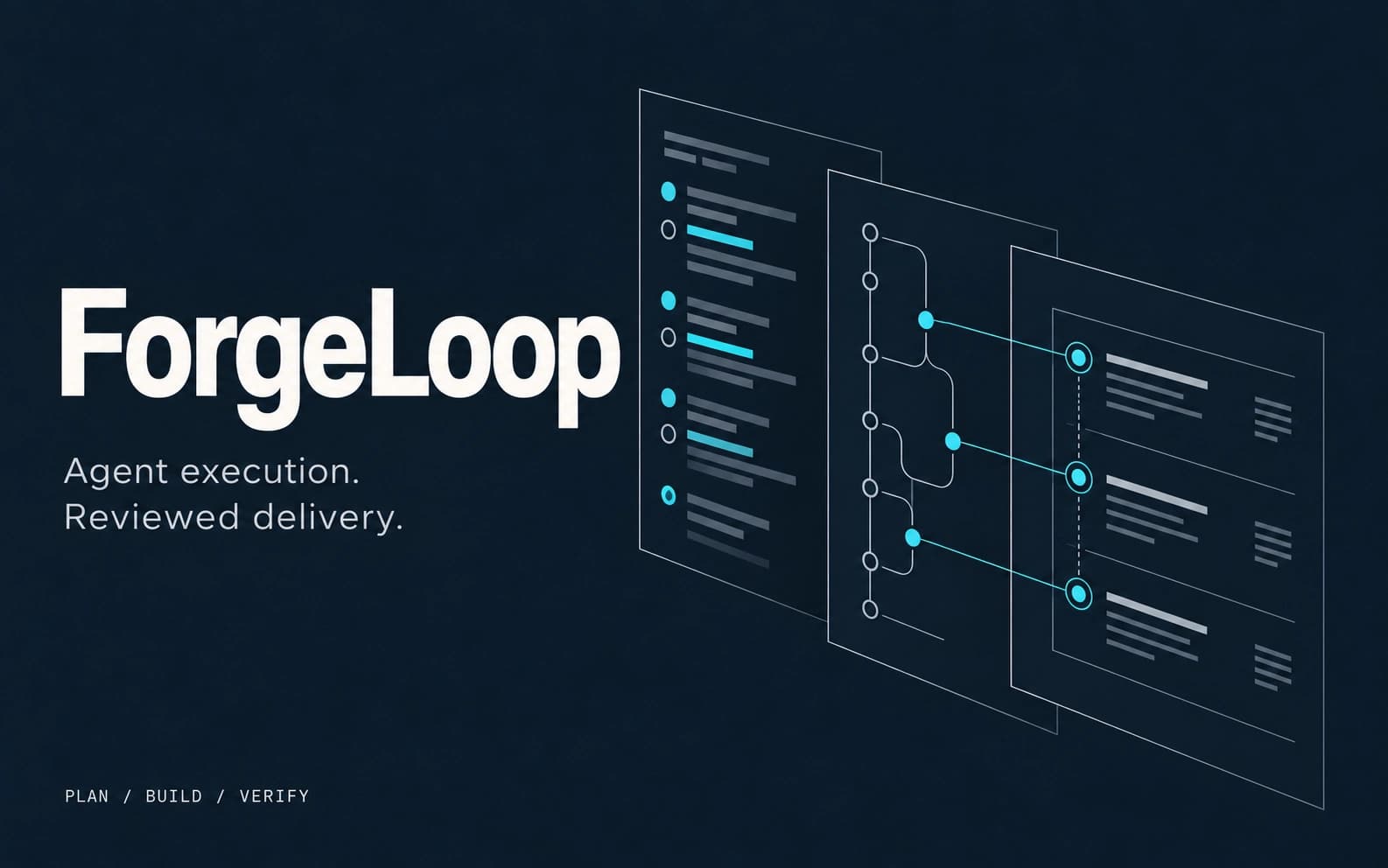
A delivery system connecting GitHub issues, bounded agent tasks, self-hosted runners, verification evidence, and pull requests.
Explore the project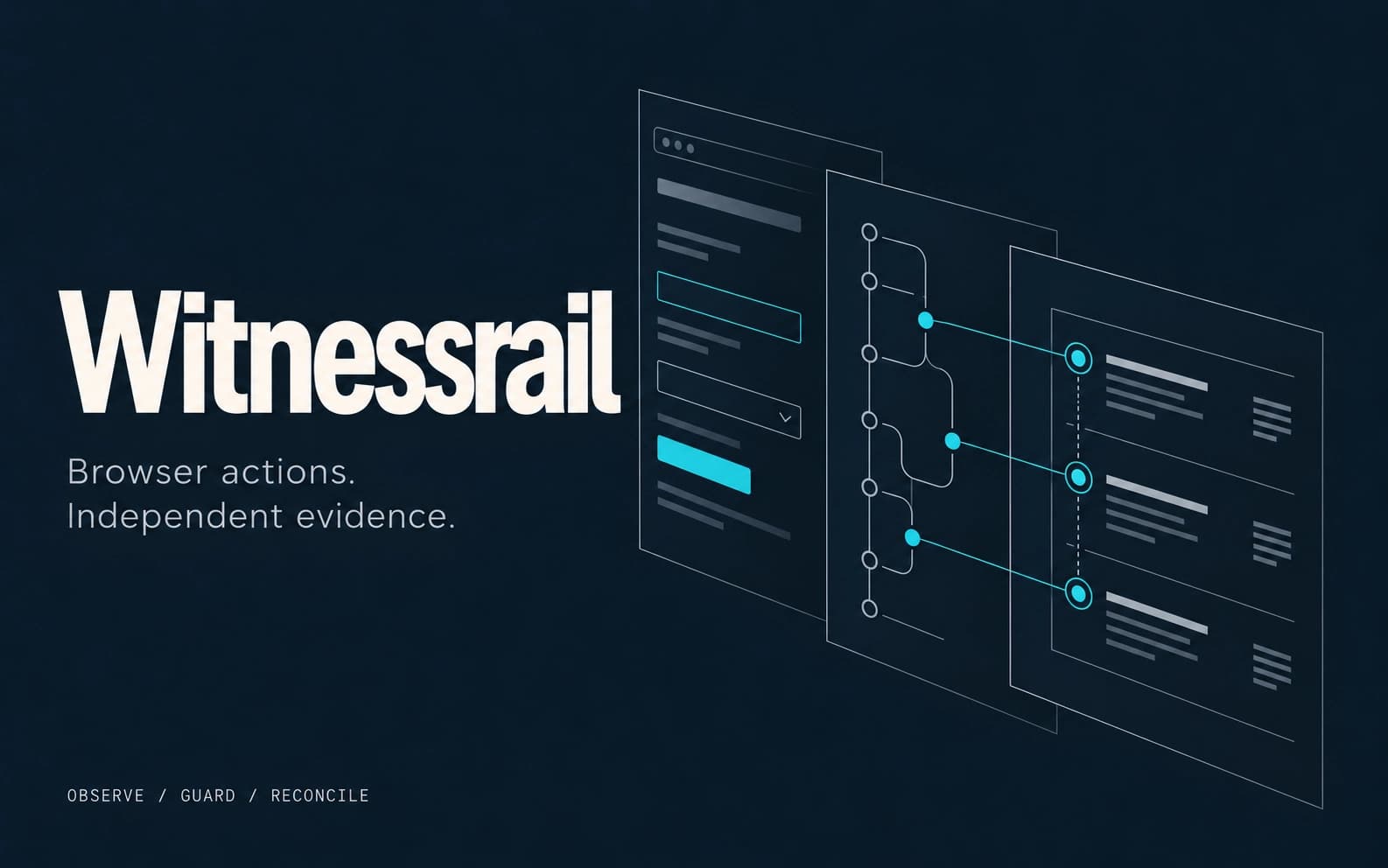
A research engine and interactive showcase exploring guarded browser actions and independent verification for payer enrollment.
Explore the projectWe get specific about the people, constraints, existing systems, and decision the software needs to support.
We agree on a useful first scope and make the product, data, and technical choices visible before they become expensive.
We deliver working software in clear increments, then use feedback and real use to guide the next step.
 01
01A full-stack software engineer who builds and operates SaaS products, AI applications, and developer tools, from architecture through production.
Founder profile 02
02A Python backend and agentic AI engineer who builds production APIs, retrieval systems, and durable workflows with explicit controls and evaluation.
Founder profileHow to design a business dashboard around decisions, meaningful comparisons, trustworthy data, and a clear route from a metric to the work behind it.
A practical guide to SaaS access control: define who can act on which records, separate roles from account boundaries, and test revocation and denied access.
A practical discovery guide for teams weighing custom software: trace the real task, its handoffs, decisions, exceptions, and evidence before writing a feature list.
Browse more notes in the studio notebook.
A rough description of the task, who needs to do it, what makes it difficult today, and any deadlines or system constraints you already know. A complete specification is not required.
Yes. The starting point is to understand its current users, dependencies, and maintenance needs. That helps distinguish a focused improvement from a larger replacement.
No. Use a model when flexible interpretation adds value and its outputs can be evaluated and bounded. Stable rules, permissions, and important decisions should stay explicit.


